Blood cancer warning signs can often look like common, everyday illnesses, which...See More
Sep 05, 2026
Specialized in blood cancer and bone marrow transplant care
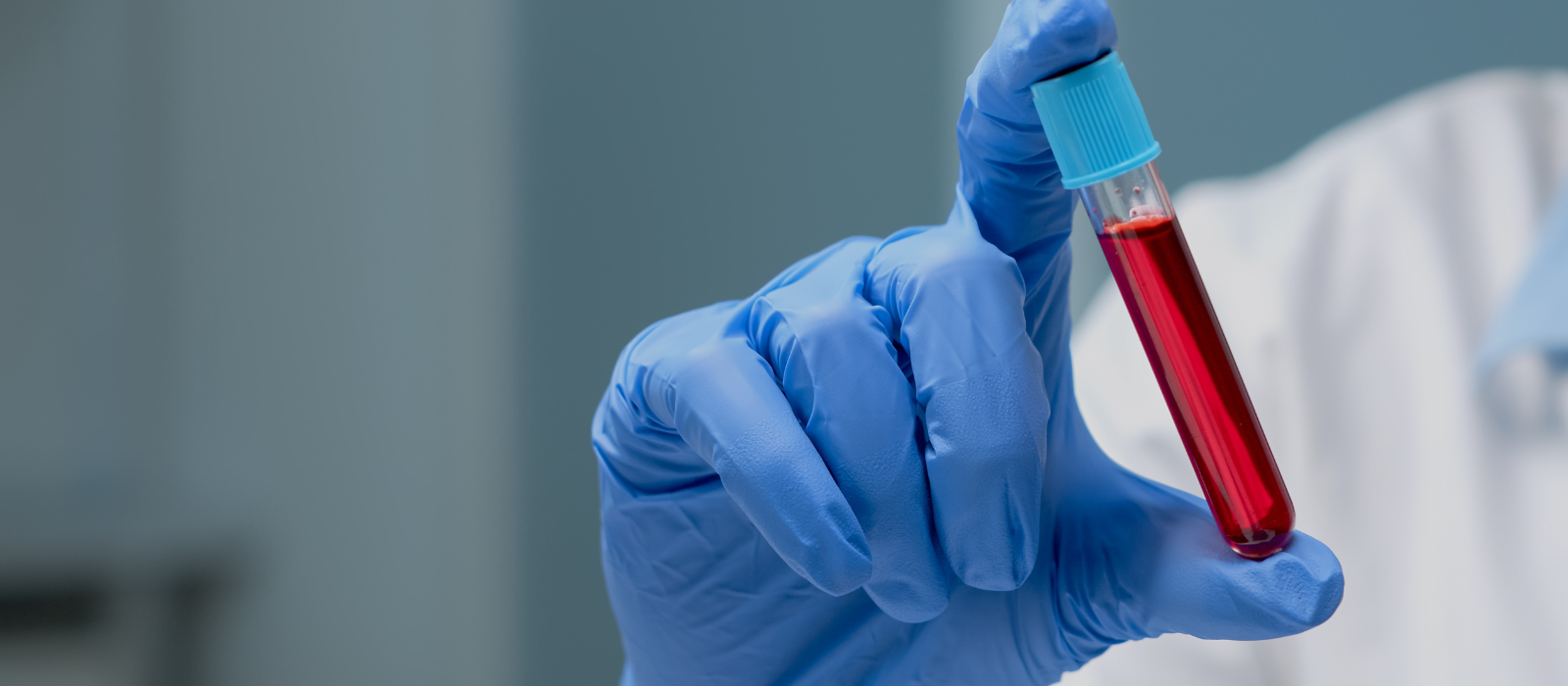
Focused on leukemia, lymphoma, myeloma, and transplants
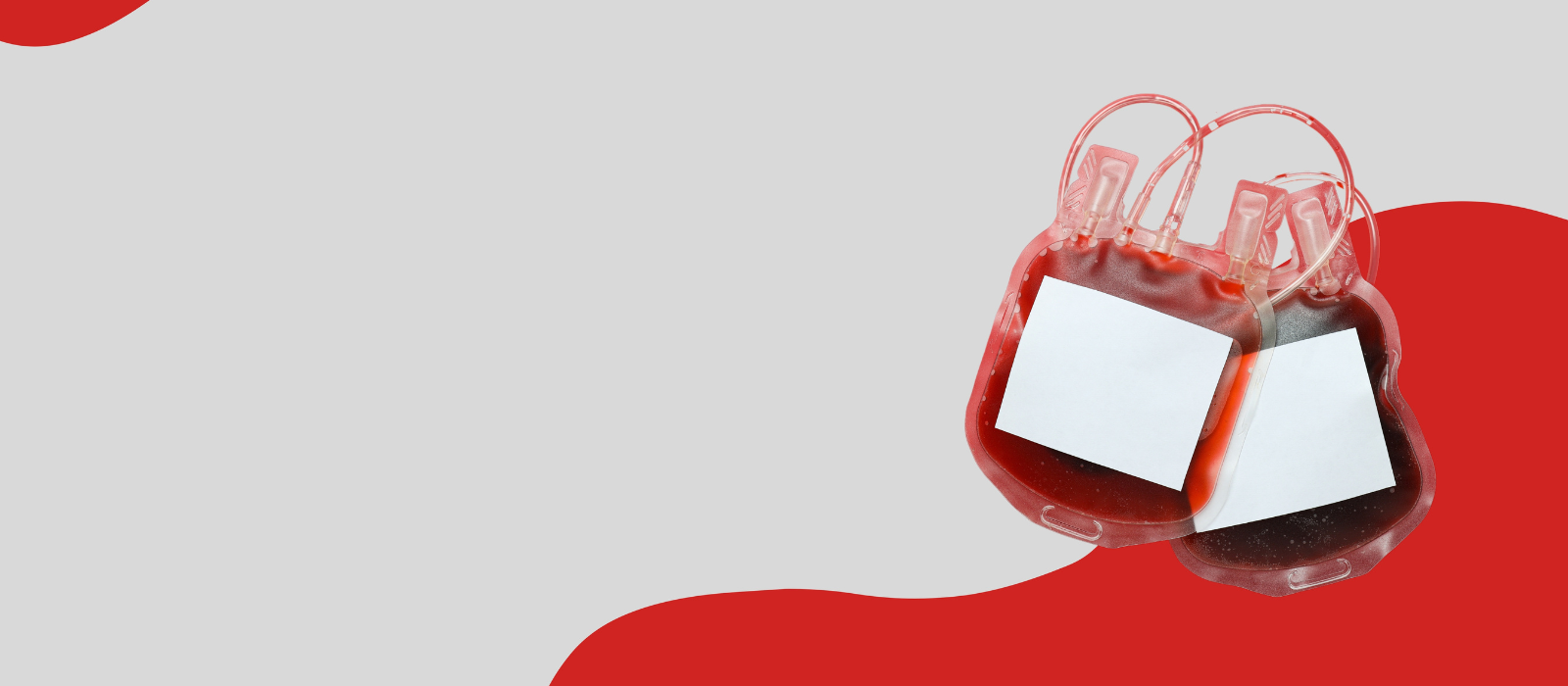
Expert care for complex hematological and transplant cases

Expertise in both cancerous and non-cancerous conditions

.png)
.png)
.png)
.png)
About Us
Years Experience
Types of Cancers Treated
Happy Patients


Comprehensive Diagnosis, Targeted Treatment & Long-Term Care for Blood-Related Conditions
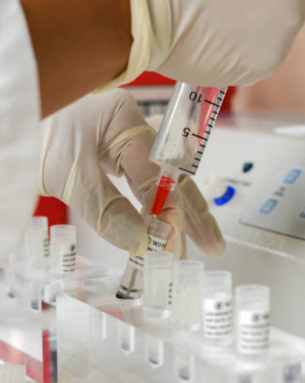
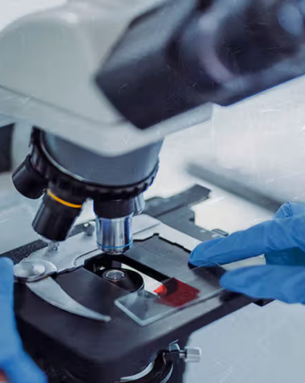
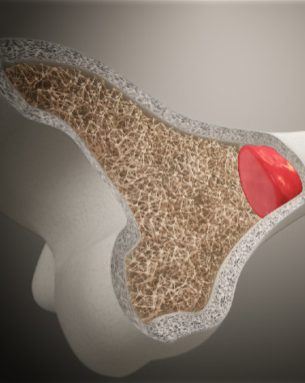
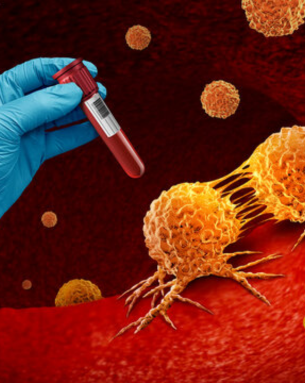
Stay informed with our latest updates, posts, announcements, and healthcare news
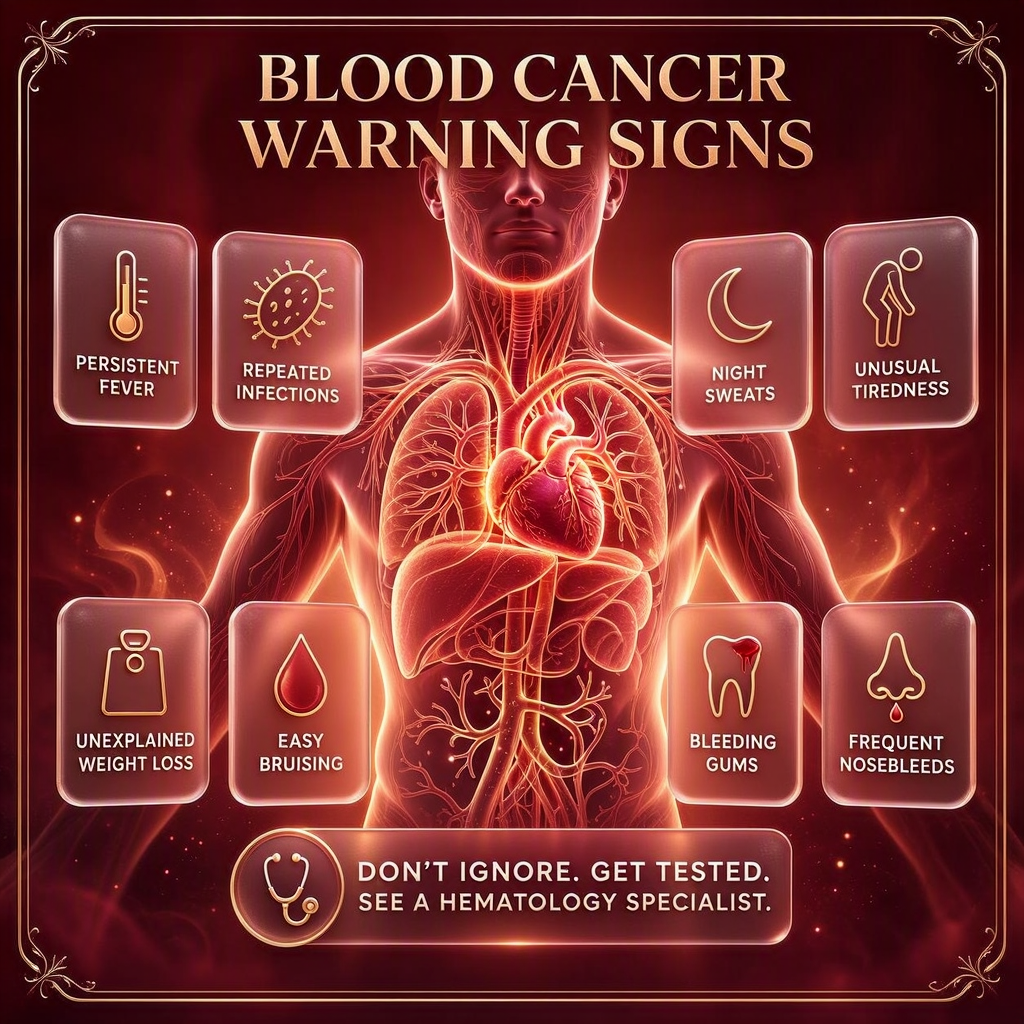
Blood cancer warning signs can often look like common, everyday illnesses, which...See More
Sep 05, 2026
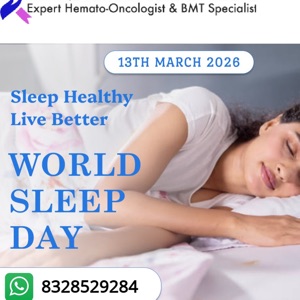
World Sleep Day is an annual event highlighting the importance of sleep for over...See More
Mar 13, 2026
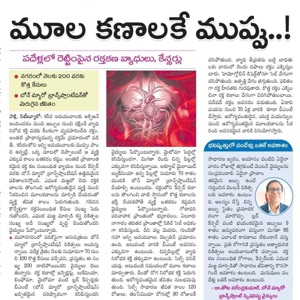
Bone marrow transplants are commonly performed for various blood disorders, incl...See More
Sep 08, 2025
Hematologist, BMT Physician
 (2).png)
What our Patients says about us
I am writing this message with immense gratitude and hope. We are incredibly grateful for the care and attention Dr. Thota Narender Kumar provided, not only to our daughter but also to us as parents. KIMS Hospital Oncology dept gave us our daughter back, and for that, we will be forever thankful. When we learned that our daughter needed a bone marrow transplant, our world was distressed. The fear and uncertainty were overwhelming, but after extensive research, we made the difficult decision to travel from Riyadh to KIMS Hospital in India. From the moment we met Dr. Thota Narender Kumar and Dr. Harish, we felt reassured. They treated our daughter with such kindness, patience, and expertise that we immediately knew we were in the best hands. Dr. Thota Narender Kumar and Dr. Harish took the time to explain every aspect of the procedure, answering all our questions with compassion and clarity. Their calm demeanor and confidence gave us the strength to face this challenge. Thanks to their dedication and skill, the transplant was a success, and our daughter is now on the path to recovery. Their genuine care for our daughter and support for us as parents were evident every step of the way. We are deeply grateful to them and to the entire oncology team at KIMS Hospital for giving us back our daughter. For that, we will be forever thankful.

I would like to take this opportunity to thank Dr. Narender Kumar Thota sir and his team for their profound care. Dr. Narender sir is so professional, friendly and always providing the best treatment. My dad is 78 years old, diagnosed with esophageal cancer. He has the best treatment and a lot of empathy, patience and care. Above all he is one of the best Medical Oncologists in Hyderabad. We are so happy to have found you and your team. We highly recommend Dr. Narender sir to all.
My name is Fanny Lombanya from Zambia, Africa. Here is my update to the review that I made below about 7 months ago. My son developed complications after one year from transplant. The complaints were increasing weekly over a period of close to 2 months and could not be resolved and we ended up losing our son last week. My advice is that the hospital ensures that they can be able to care for/ and monitor patients that come from places that are far from India even beyond one year. This can be done though establishing partnerships with local hospitals, or structure online reviews in which guidance can be provided. We tried our best to link our local doctor with Kim's hospital so that our son could be helped. However this could not yield the expected results and our son ended up dying. Regards My family and I are very thankful to Dr Narender Thota Khumah and his team for the great service that we received during and after the bone marrow transplant process for my son. We visited Kims hospital in India in April 2023 with my 15year old son Kimote Lombanya for bone marrow transplant due to sickle cell anaemia that he had from birth. The process and risks were explained to us in a manner that still gave us the confidence that the team was up to the task even as we still trusted God to be in control. Our son is now free from sickle cell anaemia after a successful transplant of the bone marrow donated by our 6 year old daughter at the time. We strongly encourage other patients and families to seek help/services of Dr Narender; he is a very good doctor. God bless. Thank you.
Absolutely convinced with doctors treatment and confidence. My younger son(23) was diagnosed with sickle cell back in 2010, since then he'd been suffering with pain crisis episodes as he is aging. Now that he had gone through Bone Marrow Transplant under Dr. Narender Kumar Thota gaaru, senior and specialist in his field, my son is finally now SICKLE CELL FREE! My elder son was the donor.
Dr. Narender Kumar Thota has always been very friendly with his patients. He treat everyone visiting him with utmost care and maintain a friendly rapo with them. His team is also available just a call away. Dr. Goutham one of his team gives good advices and suggestions regarding the treatment.
Our Latest Videos

.png)
.png)
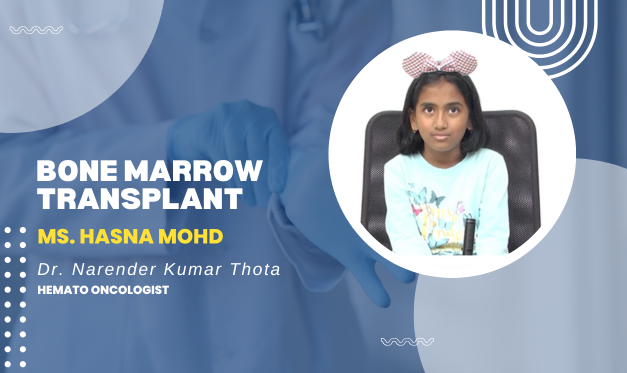
.png)
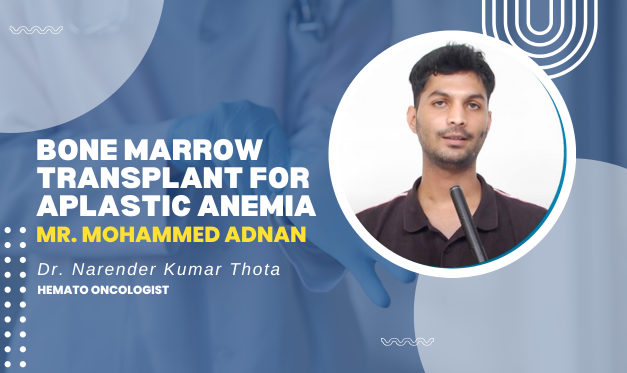
.png)

Need Answers? Find them here...
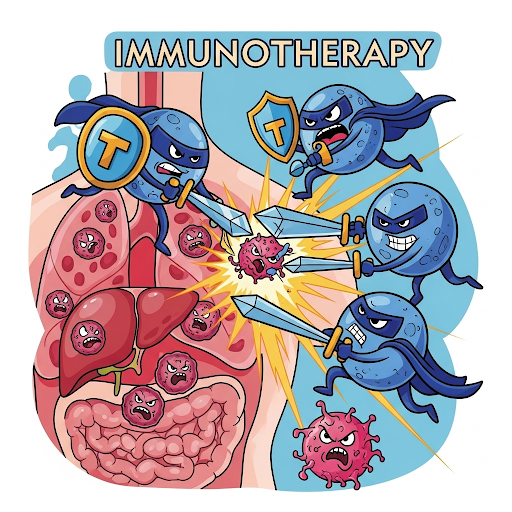
Currently, immunotherapy is used in blood cancers to boost or redirect the immune system to attack cancer cells. This includes monoclonal antibodies, checkpoint inhibitors, and cellular therapies like CAR-T cells. Future prospects involve refining these therapies for wider applicability, reducing side effects, and combining them with traditional treatments for superior outcomes. Ongoing research aims to expand their reach to more blood cancer types, thus revolutionizing treatment paradigms and improving patient prognoses.
Advancements in stem cell transplants for blood cancer include improved donor matching techniques, reduced-intensity conditioning regimens, and enhanced post-transplant care strategies. These innovations aim to increase the success rates and reduce the risks associated with transplants, such as graft-versus-host disease. Additionally, research into using alternative donors, like haploidentical and cord blood stem cells, expands options for more patients. These continued improvements offer hope for better outcomes and broader accessibility.
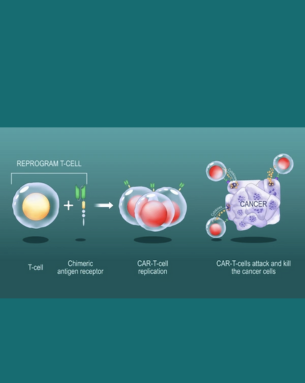
CAR-T cell therapy involves reprogramming a patient's T-cells to target and destroy cancer cells. These modified T-cells are infused back into the patient's body, where they identify and attack cancerous cells, particularly in blood cancers like leukemia. It's a groundbreaking approach offering significant remission rates in patients who've exhausted other treatment options. CAR-T cell therapy exemplifies personalized cancer treatment, harnessing the immune system's power to fight cancer effectively.
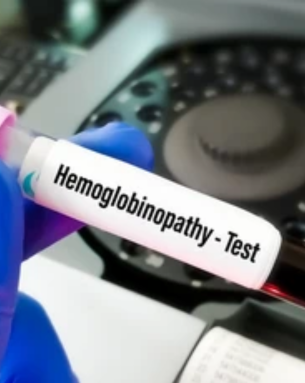
Hemoglobinopathies are genetic blood disorders that affect the structure or production of hemoglobin, the protein in red blood cells that carries oxygen. Conditions like sickle cell disease and thalassemia fall under this category. These disorders can lead to anemia, pain episodes, and organ damage. Management often includes blood transfusions, medications, and lifestyle modifications to alleviate symptoms and improve quality of life. Stem cell transplants offer potential cures for severe cases.
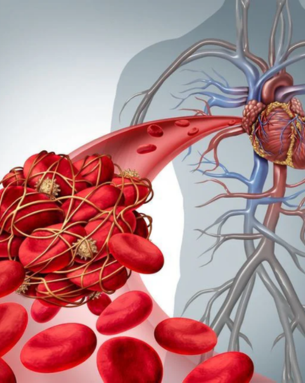
Coagulation disorders involve problems with blood clotting, which can lead to excessive bleeding or clot formation. In hemato-oncology, these disorders are identified through blood tests that assess clotting factor levels and function. Management involves replacing deficient clotting factors, using anticoagulants to prevent clots, or medications to manage bleeding risks. Close monitoring is essential to balance bleeding and clotting risks, especially in cancer patients undergoing treatment.
Benign hematological disorders are non-cancerous blood conditions that often involve bleeding or clotting issues, red blood cell abnormalities, or platelet disorders. Treatments vary based on the specific disorder but may include medication, lifestyle changes, and sometimes blood transfusions. Conditions like anemia, sickle cell disease, and hemophilia fall under this category. Proper diagnosis and management can prevent complications and maintain quality of life.
Immunotherapy harnesses the body's own immune system to fight cancer. In malignant disorders like lymphomas and leukemias, immunotherapy can involve monoclonal antibodies, checkpoint inhibitors, and CAR-T cell therapy. These treatments enhance immune response against cancer cells, offering promising outcomes even in cases where traditional therapies fail. They're pivotal in revolutionizing the treatment landscape for various hematologic malignancies, providing new hope for patients.
Bone marrow failure syndromes are disorders where the bone marrow fails to produce enough blood cells. They include conditions like aplastic anemia and myelodysplastic syndromes. Management may involve immunotherapy, cytotoxic therapy, and supportive care. In severe cases, a stem cell transplant might be the best course of treatment to restore normal blood cell production by replacing the deficient marrow with healthy stem cells.
Acute leukemias, such as acute myeloid leukemia (AML), require urgent and aggressive treatment due to their rapid progression. These treatments often include chemotherapy and, in some cases, stem cell transplants. Chronic leukemias, like chronic lymphocytic leukemia (CLL), progress more slowly and might be managed with targeted therapies, watchful waiting, or less aggressive treatments. Depending on the case, advanced therapies like CAR-T cell therapy may also be employed.
A stem cell transplant, also known as a bone marrow transplant, is a procedure to replace damaged or destroyed bone marrow with healthy stem cells. It's commonly used in hemato-oncology for patients with certain blood cancers like leukemia, lymphoma, and multiple myeloma. The procedure helps regenerate healthy blood cells and immune function. It's a critical treatment option for patients with both acute and chronic leukemias and bone marrow failure syndromes.
Dr. Narender Kumar Thota has made substantial contributions to medical literature by publishing several case reports and retrospective analyses in reputed journals. His engagement in prestigious global conferences like ASCO and SIOP highlights his active participation in advancing hemato-oncology knowledge. Furthermore, Dr. Thota's expertise is evident in his skillful management of diverse chemotherapy regimens and advanced techniques such as PICC line insertions and intrathecal chemotherapy, enhancing patient care through evidence-based clinical practice.
Dr. Narender Kumar Thota is the Head of Department and Consultant Hemato-Oncologist and Bone Marrow Transplant Specialist at KIMS, Secunderabad. With over 16 years of experience, he specializes in treating various blood cancers, including lymphomas, leukemias, and myelomas. Additionally, Dr. Thota conducts complex stem cell transplants, providing a comprehensive approach to cancer treatment. His extensive training and participation in global conferences have contributed significantly to advancing hemato-oncology services in the region.
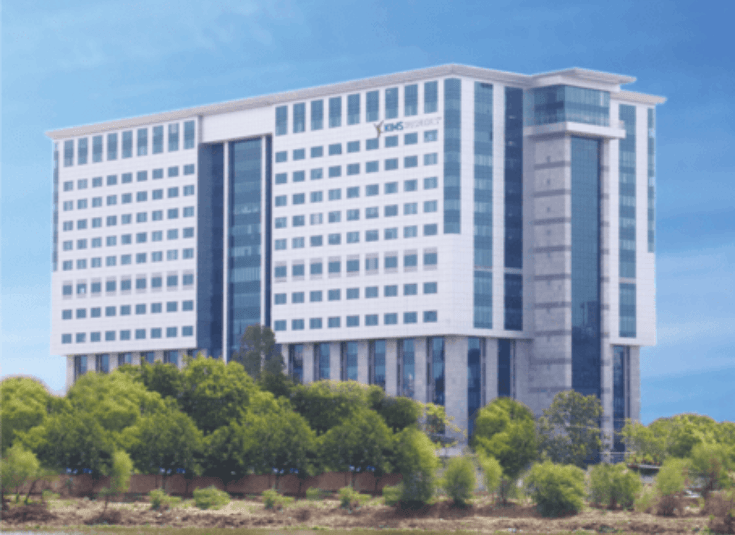
 Address :KIMS Hospitals, 1-8-31/1, Minister Road Krishna Nagar Colony, Ramgopalpet, Begumpet, Secunderabad 500003, Telangana